I’ll start by admitting that I jumped on the interactive notebook bandwagon
early on. I absolutely loved using them in the classroom. I started using them
during my Science class and then incorporated them into my Social Studies class
once I saw how useful they were. Why did I use them in my classroom?
- ·
They were a hands-on way to introduce
information. Most students are tactile and interactive notebooks are a great
way to utilize use.
- ·
They’re a terrific way to reinforce concepts.
The more that a students sees a concept, the more likely they are to retain the
information.
- ·
You can use them all year long. In all my years
using them, we never once filled them up.
As much as I did enjoy them. There were some definite downfalls
(especially with younger students at the beginning of the year).
- ·
The beginning of the year was a real struggle.
Setting up the notebook would take at least two class periods.
- ·
Storage took up valuable space in my classroom. Younger
students are not capable of storing them in their own desks and teacher storage
is essential. For me that meant that a chunk of my counter space was lost to
interactive notebook storage.
- ·
Information was constantly falling out or
ripping. Students often carry them upside down and items fall out of pockets.
As the year goes on, many of the foldable items would rip or come out because
of being glued in with gluesticks.
- ·
The biggest problem I had with them is the fact
that students were only able to take them home at the end of the year. In
younger grades, parent and family involvement is crucial. Students were only
able to share their interactive notebooks with their family once the school
year is over.
When I discovered lapbooks, I realized that they could solve many of
the problems that I faced with interactive notebooks! I started using them here
and there and soon realized that they had completely taken the place of my
interactive notebooks!
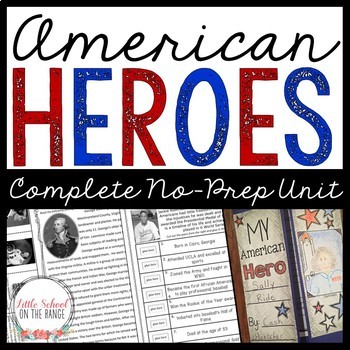
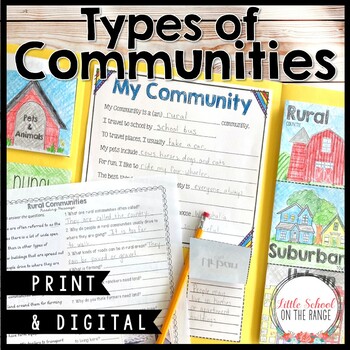
What is a lapbook? It’s sort of a hands-on project that they create as
we go through a unit. I’ve seen more complicated ones made with a variety of materials,
but I simply use plain ol’ 12” x 18” construction paper or manila paper. Simply
“elevator” for the large piece of paper.
You can use the outside flaps as a cover for the lapbook or place
information on it. I prefer to add a cover to each lapbook. Students can
usually finish working on their cover if they finish early.
Guidelines for lapbooks:
- ·
Complete in small parts – only add one or two
components each day. Do not plan on completing them during one class period.
- ·
Make a lapbook along with the class. They will
need to see an example.
- ·
Take them up each day for storage. Students may
lose them or they can be damaged in students’ desks.
- ·
Make sure to send them home once they are
complete. Parents love seeing what the students have been working on. Students
enjoy showing them off to their families.
Looking for units that incorporate lapbooks? Check these out!